Showing posts with label Myths. Show all posts

Wednesday, November 01, 2017

10 Weight Loss Myths You Should Stop Believing

Because none of us has time to waste secretly sabotaging our goals.


There’s a lot of bad advice out there when it comes to weight loss. And when you’re really trying to work hard and shed some pounds, chances are you’ll try anything that sounds promising. We’ve all been there.
But unfortunately, a ton of the “tips” you’ve heard are simply not true. In fact, some of the biggest weight loss myths are more likely to do the opposite of what you’re trying to achieve—yes, that means make it harder to lose weight. (No, we’re not trying to ruin your day.)
Here are the top weight loss myths you’ve probably heard, and what makes them total BS.


Myth 1: You can spot lose fat.

As nice as it would be to be able to choose the exact spots we want to lose fat and where we don’t (read: boobs), it just doesn’t work that way. “You can target areas when you’re working out, but you can’t choose where you’re going to lose your weight from,” Kira Stokes, celebrity trainer at BFX studios and creator of the Stoked Method and Stoked Series classes, tells SELF. “Your body is one complete unit, it has to be thought of as such.” Overall, you’re going to lose inches if you work out and eat healthy. But you can’t choose where you’re going to lose those inches from. “And everyone’s body is different,” Stokes adds. So the areas you lose inches in first will differ greatly from where your workout buddy does.


Myth 2: Fad diets work.

Just like all trends, fad diets are temporary. “You do it for two weeks and lose 10 pounds, but what happens after that deadline?” says Amanda Foti, M.S., R.D., a senior dietitian at Selvera Wellness. “They’re usually not realistic for long-term sustainability.” Without a plan for transitioning back into a regular eating pattern, most people just go back to old habits and regain the weight. You may want a quick fix (don’t we all), but it’s not going to make you feel so great. Fad diets are also very restrictive, which makes them really hard to stick to if you’re trying to live life in the real world. So when you have a work dinner and none of your diet-approved foods are on the menu, it throws you off and you just decide to throw in the towel. One bad diet down, you vow to start a different one next week, and the whole cycle starts anew. “I see a lot of chronic dieters, over, and over, and over,” Foti says, for this exact reason.


Myth 3: Cardio is better for weight loss than strength training.

Most people assume an hour-long run is going to burn more fat than a short lifting sesh. Not true. Cardio is important for weight loss, but if you’e pressed for time and have to choose one or the other, “you’re better off spending your time on strength training,” Stokes says. “Your body burns more at a resting state the more muscle you have on your body.” So building muscle will keep your metabolism revved for not just an hour after your workout, but all day long, since your body will be working to fuel and maintain those new guns.


Myth 4: Because one plan works for other people, it’s bound to work for you.

There really is no one-size-fits-all approach to weight loss. “Different bodies need different things, and one diet is not going to work for everyone,” explains celebrity trainer Anna Kaiser, founder of AKT InMotion and co-host of My Diet is Better Than Yours on ABC.  “Our bodies function very differently and need different things.” Which is why it’s important to pay attention to what eating plan and fitness regimen work for you. Sure, it’s great to take suggestions from friends who have had weight loss success, but there’s no guarantee you’ll see the exact same results.


Myth 5: If you work out hard enough, it doesn’t really matter what you eat.

Unfortunately,  you can’t just do one or the other and call it a day. “People don’t want to hear it, but you’re negating what you’re doing in the gym if you’re going out and sabotaging yourself by not watching what you’re eating,” Stokes says. “If you’re truly trying to make a change in your body, you have to make a complete lifestyle change, which includes both working out and changing your diet.” If you’re just trying to maintain your current weight, Stokes says a regular workout routine may be enough. But if weight loss is your goal, diet needs to be a huge part of the equation, too. “Especially for people who have just that last five pounds to go,” she adds, since those who have more to lose may notice immediate changes when adding just fitness or good nutrition into their lives; for those last five pounds, not so much.
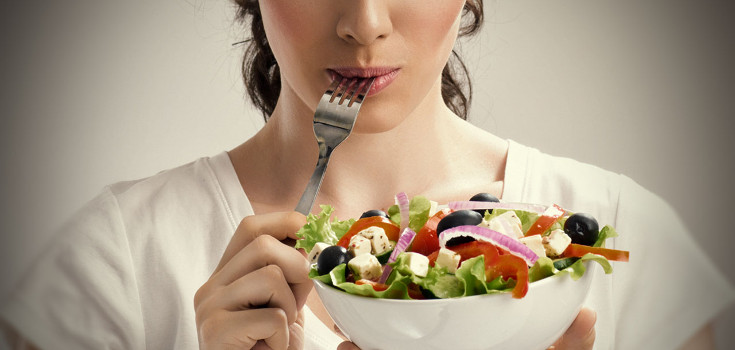
In terms of what holds more weight, Foti says it’s very individualized. “I’ve had clients respond more to fitness levels increasing, others respond better to diets.” Usually, whatever is the more dramatic change will make a bigger impact upfront. But you’ll hit a wall eventually if you don’t focus on both.


Myth 6: Eating at night is bad.

Whether it’s due to the time of day or simply the food choices people make when they’re tired, late-night eating has long been associated with weight gain. But that doesn’t mean you have to be done dinner by 6 p.m. sharp. “It’s more about your overall nutrition,” Foti says. “If you don’t go to bed until 11 p.m., you can eat at 8 p.m. and still have ample time to digest it.” Going to bed stuffed can disrupt your sleep, but so can hunger pangs. Foti says at the end of the day (ha, ha), it’s better to eat something light before bed than skip a meal.


Myth 7: Indulging = cheating.

Foti encourages her clients to treat themselves a couple times each week. “It allows them to not feel so deprived, so they’ll stick with healthy choices longer,” she says. Rather than focusing on resisting temptation and completely avoiding certain things, work a few indulgences each week into your plan. That doesn’t mean three massive cheat meals a week, she says, but working three servings of something in will keep you satisfied without going off track. For example, if you know you’re going to a pizza place with friends on Friday, plan to have one slice. You have to keep your lifestyle in mind, and form a realistic plan that won’t make you miserable or skipping out on social events all the time.


Myth 8: You need to work out harder and longer.

Instead, focus on smarter workouts. If you’re pushing your body so hard that it can’t sustain it, you can end up doing the opposite of what you want to achieve (not to mention, seriously injure yourself). “Overtraining can actually take you too far the other way,” explains Kaiser. “Your adrenals can fail, causing your metabolism to shut down and go into starvation mode.” Which means your body will cling onto whatever fat it’s got for survival. If you’re not used to a rigorous exercise routine, start with just a couple days a week, and work up to a varied routine that includes a balance of cardio, strength training, and flexibility.


Myth 9: Becoming a vegetarian will boost weight loss.

Some diets, like vegetarian or vegan, have a halo of health that makes it seem like you’ll inherently drop pounds on them. But you can still gain weight on a meat-free diet if you don’t approach it the right way. “You can still be vegetarian and have a lot of junk food—the only thing it means is no animal products, so you can still have chips, sandwiches, unhealthy foods,” Foti explains. Sure, it will seamlessly cut (most) sources of saturated fats out of your diet, but you still have to be conscious that you’re making the right food choices and not loading up on simple carbs and sugars in their place.


Myth 10: Working out just makes you hungrier.

Some people tend to avoid cardio, especially running, because they claim it just makes them eat more after. But by that logic, you’re supposed to just not work out and not eat? Not only is it not effective (read: you have to workout and eat right to lose weight), but you’ll miss out on all of the other amazing benefits of exercise—and probably be pretty grumpy. Kaiser recommends checking your hydration levels first and foremost after getting sweaty. “Sometimes you feel hungry because you’re dehydrated and you sweat too much, but you’re actually just really thirsty,” she explains. Also, being hungry after a workout is a good thing—it means you metabolism is running strong. “The best time to eat is right after you work out because your body is going to use food instantly to recover.,” Kaiser adds. “If you work out and don’t eat, then you’re going to feel crazy hungry the rest of the day and eat more later.” You don’t need to have a full meal right away, but even something light like protein powder mixed with coconut water, Kaiser suggests, will help you avoid that ravenous feeling later.


Source

Wednesday, January 20, 2016

Body Detoxification Myth

Feeling easily tired body and mind to slow down after a long vacation or a weekend? Many people are now choosing to do a detox diet to restore vigor and stamina. Moreover, if during your vacation spoiled by all kinds of foods and beverages high in calories.

However, according to observers of nutrients Lara Metz, MS, RD, CDN, diet and nutrition agency owner Lara Metz Nutrition in New York, people often do a detox diet with less precise way, so the results were found to be less than the maximum. The following myths about detox dieters often do the detox.


Myth 1: Your body needs outside help to detoxify.

Toxins are substances found in food, the environment, air, and water that contributes to the disease. Many people assume that toxin that enters the body can only be removed by the intake of certain foods or beverages.

"In fact, the reality of the body cans remove toxins themselves. For example, a small-sized kidney capable of eliminating toxins and wastes from the body as urine. Your liver also doing the same thing, captures toxins in the bloodstream and remove the feces, "said Metz.

All you need to do to make these organs work well is the consumption of nutritious food, active, and most importantly, is getting enough sleep. For the best detox diet plan did not give a significant effect, when you lack sleep.


Myth 2: If you want to succeed, you should only eat vegetables and fruit.

Carbohydrate, protein, and fat are the three nutrients perfect for maintaining your body's health. "They play a vital role includes helping the absorption of vitamins and minerals, gives energy, and help brain function," said Metz.

Carbohydrates offer energy for physical and mental strength, protein keeps you feel full and is an important element in the formation of muscle, and fat also has the antioxidant for skin freshness.

"When you eliminate one essential nutrient that the detox diet program, you can find the body's metabolism slows due to a drastic reduction in calories, dry skin, decreased energy, and irritability," said Metz.

In short, the three macronutrient can be part of a healthy detox diet. All you need to do is select the source of carbohydrate, protein, and fat is best.


Myth 3: Drinking fruit and vegetable juices become key to successful detox

Eating more vegetables and fruits can make the process of detoxification in the body run more perfect.

According to Metz, a lot of people who eat vegetables or fruit juice in the wrong way, the juice filter and eliminate fiber. In other words, your body only receive water from vegetables and fruit and the loss of the best benefits.

Metz says, the skin of vegetables and fruit has a fiber that is needed by the body. Rather than making juice, eat vegetables or fruit directly will give a more satisfactory result for the detox program, especially for health.

Sunday, July 07, 2013

Myths About Diet

Some myths about diet should be thrown away from your mind

This diet myths surrounding him that have been debunked and should be thrown away from your mind

1. Myth: The more cutting calories, the more weight that will be lost

It actually can actually harm the body. By eliminating much below 1,200 calories per day, it will cause a decrease in metabolism quickly. To get all the calories you eat, select all the food such as meat and fresh fish, and all the grains are close to the original state. They have a "density vitamin" that is higher than the processed foods, because they contain more vitamins and minerals into less calories.

2. Myth: Reducing carbs help you lose weight

Carbohydrate diet could actually make your health worse. In the last decade Carbs branded as a source of fat and nasty food.

In fact, we need it for energy. As with fats, carbohydrates are also needed by the body. Experts say at least 130 grams of carbohydrates we consume, far above the standard low carb diet that recommends the consumption of 20 grams of carbohydrates or less.

Short-term effects of dietary carbohydrates can lead to exhaustion, constipation and irritability. In the long run, even to the risk of heart disease and colon cancer. Solution most appropriate is to reduce refined carbohydrates such as soda and foods made with flour, and switch to a healthier carbs like whole grain (food grains whose skin is still there), fruits, and vegetables. Whole grain foods alone can be found in bread, pasta, and cereals made from one hundred percent whole grain and not with the white flour.

3. Myth: More whole-grain foods

There are many whole grains products. From many studies, it is whole grains may reduce the risk of chronic diseases, from obesity, diabetes, to heart disease. The key is the extra fiber in whole grain: This will makes a person feel full with little to eat. It also helps to lower the insulin produced food. Another advantage: whole-grain foods contain more vitamins B and E of the processed foods.

4. Myth: Food diet can help you lose weight

Actually, this could have the opposite effect. You may harm yourself when too trusting with the label which displays calorie and low fat. Though initial package can diet contains a lot of sugar and trans fats.

Such as carbohydrates, fat is the quality, not the amount. Monounsaturated fats are commonly found in nuts, olive oil, and avocado, as well as an assortment of polyunsaturated (in corn and soybeans) helps the circulatory system to the heart, increasing the weight reduction, and it is important for the absorption of beta carotene from vegetables such as carrots. Trans fats and fats requirement, on the other hand associated with heart disease and cancer.

Recent research shows that the replacement of 30 calories per day by the number of carbohydrates the same trans fat, can double the risk of heart disease. Replacement ratio of carbohydrates with monounsaturated and polyunsaturated fats, on the other hand, lowering the risk of heart disease 30 to 40 percent.

Then consider increasing good fats by adding nuts on cereal at breakfast or avocado on a salad. Just have to count calories daily to keep it controlled.

5. Myth: Milk causes the fat

Myths About Diet
Reduce milk only reduces fat cells. By doing controlling calories, use milk diet could even double the decline in obesity and weight reduction as well as help prevent weight gain. article, the hormone calcitriol can help preserve calcium for stronger bones, while providing fat cells to convert sugar into fat and burn more body fat. The result is able to attenuate the fat cells and the body. Pay attention to the government's dietary guidelines, which recommend three presentation of non-fat milk or low every day.

Saturday, July 06, 2013

Misguided Diet Problem

Various diet is practiced. However, the body remains elastic. What is wrong?


Misguided Diet Problem
When it comes to slimming, she had never run out of moves. Varied diet is often used as a reference to get a slim waist and flat stomach. But, despite being practiced in everyday life, 'folds' waist still has not disappeared.

In order not mistaken, diet myths see below!

Myth: Cold drinks make fat

Wrong. To watch is the calorie and sugar-containing beverages, such as soft drinks. So, although not cold, fizzy drinks will be more fattening than cold water no calories at all.

Myth: making dinner elastic waist

Wrong. More and more your metabolism slows evening. As a result, the food consumed at the time it is easier to be fat. But that does not mean you have to 'fast' dinner. Because the protein is actually required for the formation of growth hormone (growth hormone) process starts one hour after sleep at night.

So, besides reducing food portions, begin to limit consumption of high-calorie carbohydrates, such as rice and bread. Choose foods that are low-calorie combination of carbohydrates and protein. For example, lean beef steak and vegetables rich in fiber, such as broccoli, beans and carrots. Regarding accumulate fat at the waist is not entirely due to eating at night alone, really. But the accumulation of all the excess food that goes from morning to midnight.

Myth: To be slim, after exercise, do not eat

Wrong. After exercise, the body needs energy fast recovery. For example, drinking fruit juice or sweet tea. If within one hour, this requirement is not met, the edges of stomach acid 'skyrocket'. As a result a few hours later, appetite increased. So that when it encounters food, everything is eaten.

Myth: Regular consumption of supplements, do not need to eat vegetables and fruits

Wrong. Although able to provide a 'shot' of energy and vitamins in the body, but not all the unmet nutritional supplements. You still need to eat fruits, especially to get fiber.
If the amount of supplement consumed too much, then it will be toxic (poisonous) in the body. We recommend that if the composition of the diet is balanced nutrition, sufficient daily multivitamin each day.